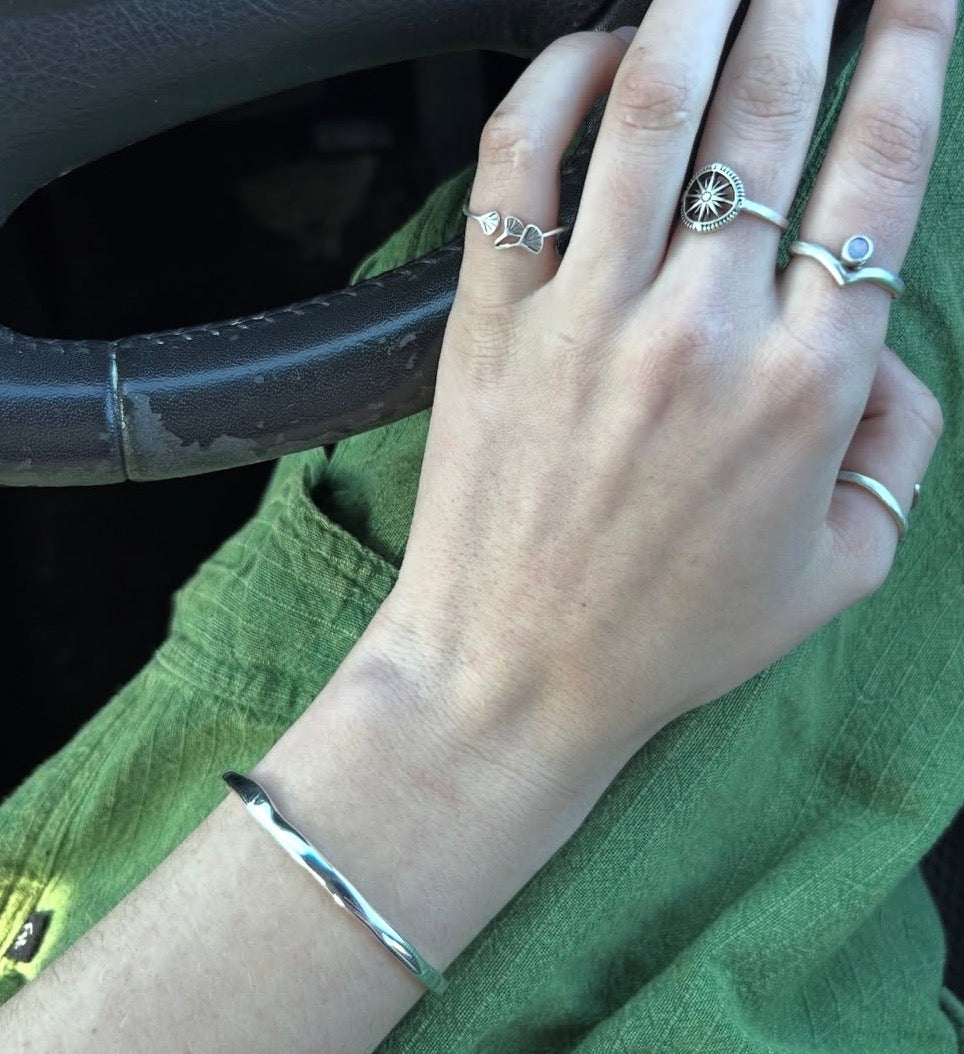
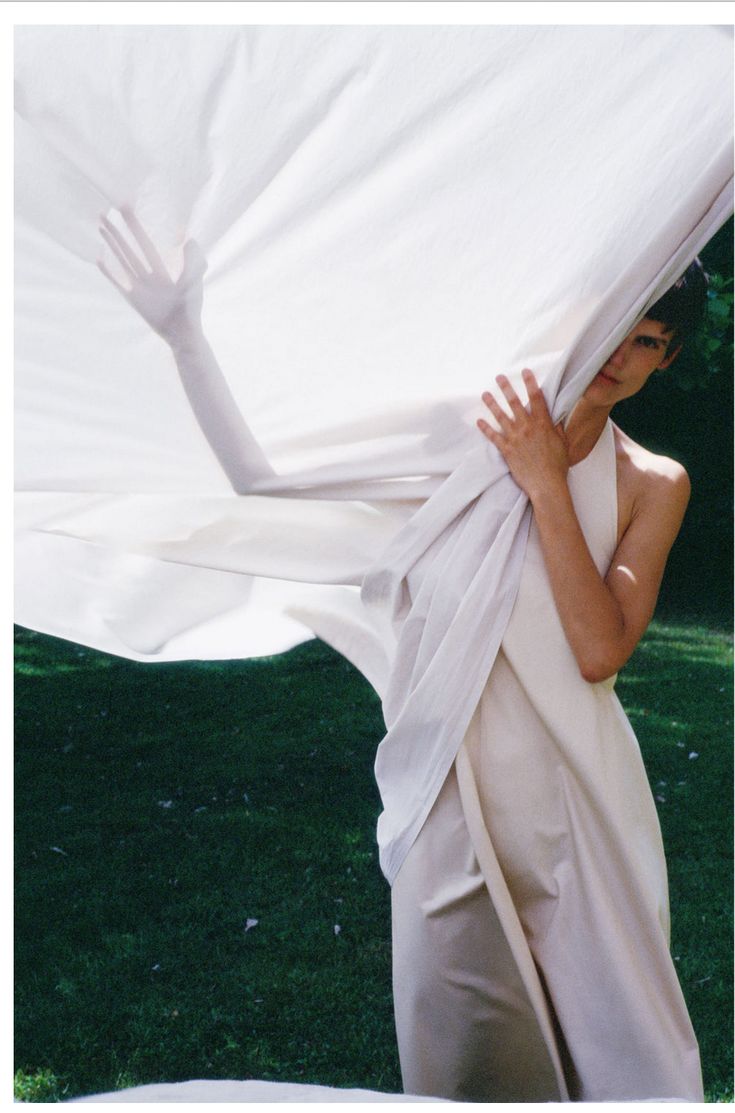
Most jewellery never tells you where it actually came from. Who mined the metal, who melted it down, who sat at a bench and shaped it into something you'd want to wear every day. Ethical jewellery is simply jewellery that can answer those questions honestly and sustainable jewellery is jewellery made in a way that doesn't cost the earth more than the piece is worth.
Yallambe is both. Every piece is handcrafted in regional Victoria from recycled sterling silver and gold, designed and made by one maker rather than a factory line, and tied to a permanent giving commitment that exists whether or not anyone is watching. This brand exists to explain exactly what that means in practice, not just as a marketing line, but as the actual process behind every ring, necklace and pair of earrings that leaves the studio.
What Does "Ethical Jewellery" Actually Mean?
Ethical jewellery refers to pieces made with attention to the people and conditions involved at every stage of production, not just the finished look. In practice, that covers three things: where the raw metal comes from, who is doing the physical work of making the piece, and whether the maker is transparent about both.
Conventional jewellery supply chains are often opaque on purpose. A piece can pass through several countries, several hands, and several unregulated workshops before it reaches a shop shelf, and very little of that journey is disclosed to the person buying it. Ethical jewellery brands deliberately shorten and clarify that chain. Smaller batch sizes, named makers, and traceable materials all make it possible to say with confidence exactly how a piece came to exist.
For Yallambe specifically, that means sterling silver and gold sourced with sustainability in mind, a single maker (Keira Mcnaughton, the brand's founder) doing the actual handcrafting, and a willingness to talk openly about the process rather than let "handmade" or "ethical" sit as an unexplained badge on a product page.
Ethical vs. Sustainable Jewellery: What's the Difference?
The two terms get used interchangeably, but they're answering slightly different questions. Ethical is mostly about people: fair labour, safe working conditions, and honest sourcing relationships. Sustainable is mostly about the planet: minimising environmental harm from mining, energy use, and waste.
The two overlap heavily in practice. A brand that genuinely cares about ethical sourcing will usually also care about environmental impact, because the same supply chain decisions affect both. Recycled metal, for instance, is both an ethical choice (it bypasses the labour and human rights risks tied to new mining) and a sustainable one (it avoids the environmental cost of extracting fresh ore). Yallambe treats the two as inseparable rather than picking one to market and ignoring the other.
Why Recycled Silver Matters
New silver has to come from somewhere, and that somewhere is almost always a mine. Silver mining is energy-intensive, generates significant waste rock and tailings, and in many parts of the world is linked to poor labour conditions and minimal environmental oversight. None of that is visible in the finished piece of jewellery, which is exactly the problem, the cost is paid somewhere else, by someone else, well before the metal ever reaches a jeweller's bench.
Recycled silver breaks that chain. It's metal that has already been mined once, refined back down to a pure, workable form, and put back into circulation instead of sitting as scrap or being mined fresh. Chemically and structurally, recycled sterling silver is identical to newly mined sterling silver, same purity standard (92.5% silver, 7.5% other metals, typically copper), same shine, same durability, same way it takes a polish. There is no compromise on quality. The only difference is what happened before it reached the workshop.
Choosing recycled silver as a baseline material (rather than an occasional "eco" product line) means every single piece Yallambe makes carries that lower environmental and ethical cost by default, not as an upsell. It's a quieter kind of sustainability: not loudly marketed on every product photo, just built into how the materials are sourced in the first place.
The same principle applies to the gold used across the range. Recycled gold avoids the particularly severe environmental damage associated with gold mining (including mercury and cyanide use in some mining regions) while producing metal that is, again, indistinguishable in quality from newly mined gold once it's refined.
Our Process: From Sketch to Studio
Yallambe is the work of one maker, working from a home studio in regional Victoria. There is no factory, no production line, and no outsourced manufacturing for the core silver and gold pieces, each one is designed, shaped, soldered, and finished by hand, by the same person who founded the brand.
That maker has been working with her hands since she was thirteen years old, when an aunt returning from Turkey brought back a handful of beads as a gift. What started as simple beadwork eventually grew into silversmithing, and that early, almost accidental introduction to jewellery-making is still the foundation of how every piece is built today, slowly, by hand, with an actual person accountable for the result.
In practical terms, the process looks like this: a design starts as a sketch, often shaped by feedback from the people who'll eventually wear it. From there, sterling silver or gold is worked at the bench, cut, shaped, soldered, filed, and polished, using traditional wax carving techniques rather than mass-casting. Because there's no factory minimum order size to hit, designs can be original rather than templated, and pieces can be produced in small runs instead of mass quantities. This is also why Yallambe has moved away from anything resembling a Pinterest-style mood board piece, in favour of fully original designs, if a piece is going to be made one at a time, by hand, it should be a design that actually belongs to the brand.
For collections made outside the home studio (such as pieces manufactured in partnership with workshops in Bali) the same standard applies: ethical labour conditions and sustainable materials are non-negotiable, regardless of where the physical making happens.
Every Purchase Gives Back
Ten percent of every sale at Yallambe is donated, permanently, to Daughters of Cambodia, an organisation supporting women who have survived human trafficking and exploitation, helping them build sustainable, dignified livelihoods.
This isn't a seasonal campaign or a percentage that changes depending on margins. It's a fixed commitment built into the business model from the start, because the giving came before the jewellery did. The brand exists, in large part, because of a personal calling to support trafficking survivors, a calling that predates Yallambe itself. The jewellery became the vehicle for that mission, not the other way around.
There's also a deeper layer to the ethical sourcing commitment here. Part of why recycled and carefully sourced materials matter so much to this brand specifically is a past experience of having unknowingly participated in a supply chain that didn't meet the standards it should have. Rather than quietly moving on, that experience led to a complete rebuild of how materials are sourced , from the ground up, with full transparency about why that rebuild happened.
The long-term goal goes further still: building a community space that teaches jewellery-making skills directly to trafficking survivors, giving them not just financial support but an actual trade and a path to independence. Every current purchase is, in a small way, a step toward that future space existing.
Why Choose Yallambe
- Made by one person, not a factory — full accountability for every piece, from sketch to finished product.
- Recycled sterling silver and gold as standard — not an occasional eco-line, but the baseline material across the whole range.
- Original designs only — no templated or mood-board pieces, every design belongs to the brand.
- 10% of every sale donated, permanently — to Daughters of Cambodia, supporting trafficking survivors.
- Honest about the supply chain — including past mistakes and the rebuild that followed.
Frequently Asked Questions
What makes jewellery "ethical"? Ethical jewellery is made with transparency about its materials and labour, where the metal comes from, who makes the piece, and under what conditions. It prioritises fair treatment of workers and honest sourcing over the lowest possible production cost.
Is recycled silver lower quality than newly mined silver? No. Once refined, recycled sterling silver is chemically identical to newly mined sterling silver, same purity, same durability, same finish. The difference is entirely in how the metal was sourced, not in how it performs or wears.
Where is Yallambe jewellery made? The core silver and gold collection is handcrafted by Yallambe's founder in a home studio in regional Victoria. Our best sellers are made in partnership with ethically run workshops in Bali, to keep up with the demand while still prioritising minimal waste.
How much of each purchase actually goes to charity? 10% of every sale is donated to Daughters of Cambodia, a permanent commitment rather than a limited-time promotion.
What's the difference between ethical and sustainable jewellery? Ethical jewellery focuses on the people involved in making it, fair labour and honest sourcing. Sustainable jewellery focuses on environmental impact, material choices, waste, and energy use. Yallambe aims to meet both standards together, since the two are closely linked in practice.
Does Yallambe use gold vermeil or solid gold? Yallambe works with both sterling silver and 9ct, 14k and 18k gold across its collections, sourced with the same ethical and sustainability standards.
Is sterling silver durable enough for everyday wear? Yes. Sterling silver (92.5% pure) is a long-established standard for everyday jewellery, offering a good balance of strength and workability. Like any silver jewellery, it can tarnish over time with exposure to air and moisture, but this is easily restored with light polishing.
Find Your Piece
Every piece on this site carries the same standard: recycled materials, handmade craftsmanship, and a fixed donation built into the price , not added as an afterthought. Browse the current collection, or get in touch if you're looking for something made specifically for you.